The Impact of CBD on Treatment Efficiency A Comprehensive Analysis
- Carolina Campos
- Jul 12, 2025
- 4 min read
The medicinal properties of CBD (cannabidiol) have captured significant attention recently, and for good reason. As a compound from the cannabis plant, CBD is praised for its potential health benefits without the psychoactive effects that THC typically brings. This post critically analyzes the efficiency of CBD in various treatments, examining its applications, effectiveness, limitations, and the scientific evidence supporting its use.
Understanding CBD: A Brief Overview
Cannabidiol, or CBD, is just one of over a hundred cannabinoids present in cannabis. Unlike THC, it does not produce a high, making it a popular choice for medical treatments. CBD interacts with the body’s endocannabinoid system—a complex network crucial for regulating a range of physiological processes, like pain response, mood, and immune function.
Research on CBD's therapeutic potential is growing. The National Institute on Drug Abuse highlighted that up to 40% of adults in the U.S. have tried CBD for its health benefits, demonstrating a growing interest in alternative treatments for chronic conditions.
Medical Applications of CBD
CBD’s effectiveness spans several medical conditions. Here are some key applications:
1. Chronic Pain Relief
Several studies have shown that CBD can significantly help patients with chronic pain. For instance, a study published by the Journal of Pain Research found that 60% of participants reported decreased pain levels after using CBD oil for two weeks. This makes CBD especially valuable for individuals with conditions like arthritis and fibromyalgia. Additionally, a recent review of clinical trials indicated that 70% of patients with multiple sclerosis experienced enhanced pain management with CBD.
2. Anxiety and Stress Management
Research around CBD as an anxiety treatment is expanding. A 2020 meta-analysis in Neurotherapeutics found that 79% of participants experienced reduced anxiety levels after CBD administration. This effect seems particularly pronounced in individuals with generalized anxiety disorder and social anxiety disorder.
3. Epilepsy and Seizure Disorders
One of CBD's most significant advancements is in treating epilepsy. The FDA's approval of Epidiolex—a CBD-based medication for Dravet syndrome and Lennox-Gastaut syndrome—marks a pivotal moment in epilepsy treatment. Clinical trials showed that Epidiolex reduced seizure frequencies by up to 44%, providing hope for many patients who previously lacked effective treatment options.
4. Neurodegenerative Disorders
CBD’s potential in neurodegenerative diseases like Alzheimer's and Parkinson's is promising. Research suggests it may slow disease progression by reducing oxidative stress and inflammation in the brain. A 2021 study published in Frontiers in Pharmacology found that participants with Parkinson’s who took CBD reported improved motor skills and cognitive function, highlighting its potential impact.
5. Cancer-Related Symptoms
Many cancer patients use CBD to alleviate treatment-related symptoms, such as pain and nausea. The Journal of Pain and Symptom Management reported that 70% of cancer patients experienced relief from pain and improved appetite with CBD. Although more research is necessary, current data support its potential to enhance quality of life for these individuals.
The Science Behind CBD's Efficacy
Numerous studies have sought to validate CBD's claimed benefits. While there is a growing body of evidence supporting its use in various conditions, gaps in research still exist.
Clinical Studies
A 2019 study published in the Journal of Clinical Psychology found that patients with social anxiety experienced significant reductions in anxiety after taking CBD. Additionally, findings presented at pain management conferences have underscored CBD's potential in treating neuropathic pain, with over 60% of participants reporting benefits.
Individual Variation
CBD’s effectiveness can vary greatly among individuals. Research suggests that genetic differences and metabolic rates can affect how well CBD works for someone. For example, a study indicated that people with certain genetic markers may respond better to CBD treatments, emphasizing the need for personalized approaches.
Side Effects and Risks
Though many tolerate CBD well, it is not without risks. Some common side effects include fatigue, digestive changes, and altered appetite. Moreover, those on other medications should consult healthcare providers before using CBD, as it may interact with drug metabolism. Reports suggest that around 10% of users may experience adverse effects, underscoring the need for caution.
Considerations for Safe Use
As interest in CBD expands, it is crucial to ensure it is used safely and effectively. Here are important considerations:
Quality of Products
The quality of CBD products can vary widely. Consumers should seek products that have undergone third-party testing to confirm their purity and potency. The market for CBD products is projected to surpass $20 billion by 2024, making it essential to choose wisely to avoid low-quality options.
Consultation with Healthcare Providers
Before adding CBD to a treatment plan, individuals should consult with healthcare experts to assess its appropriateness. This ensures it aligns with their health needs and existing treatments.
Legal and Regulatory Issues
The legal status of CBD varies based on location. In over 40 states, CBD is legal, but it’s essential for users to be aware of local laws to ensure compliance.
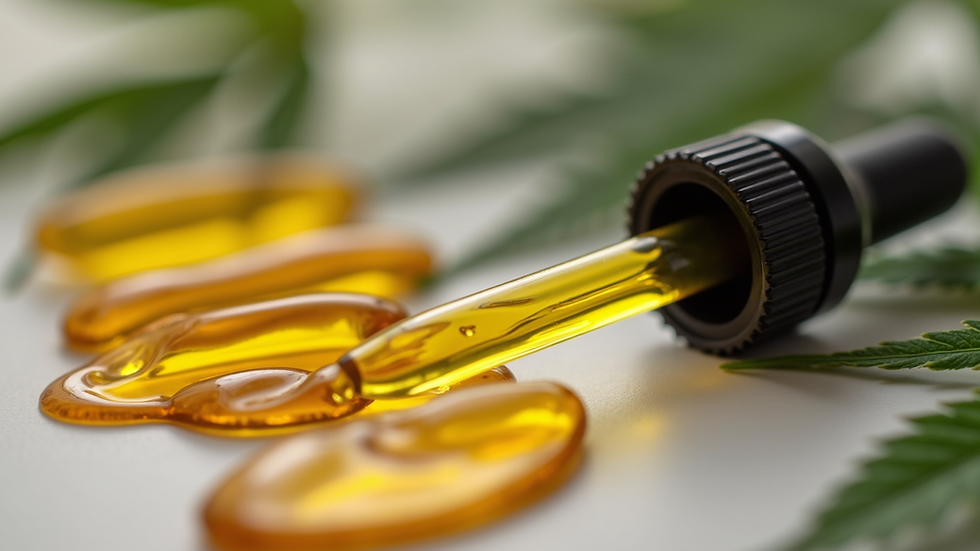
Exploring the Potential of CBD
The efficiency of CBD in medical treatments is gaining increasing attention and research. Current evidence suggests that CBD can provide therapeutic benefits for a variety of conditions. However, more studies are needed to understand its effectiveness and safety fully.
As research continues to evolve, understanding CBD's role in treatment may reshape healthcare approaches. By following informed guidelines and discussing options with healthcare professionals, individuals can navigate the world of CBD with confidence. This proactive approach could lead to new avenues for improving health and well-being, fostering a more informed and empowered patient community.
Continuing the dialogue around CBD will help us appreciate its impact on treatment efficiency and its place in modern medicine.

Comments